


Show Your Pride at Home
While our collection doesn't yet include a flag dedicated solely to asexuality, our broader LGBTQ+ Pride flags celebrate the inclusivity that the ace community is part of. Here are some favorites to fly with quiet pride this Pride Month and beyond:
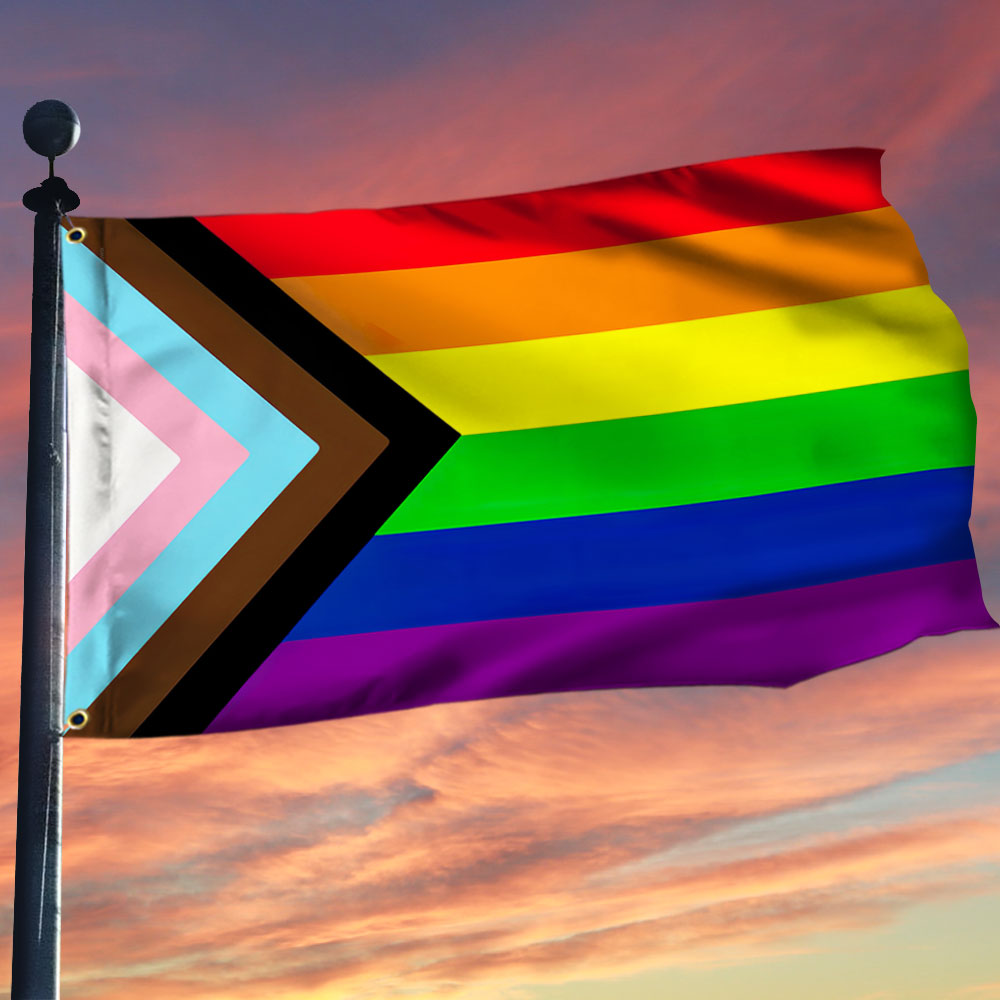
Pride Progress Grommet Flag
The classic rainbow paired with a chevron honoring trans, BIPOC, and HIV/AIDS communities. Heavy-duty grommets, made for outdoor flagpole display.
SHOP NOW →
Pride Progress House & Garden Flag
Same inclusive Progress Pride design in a versatile garden & house flag format. Three sizes for porches, gardens, and front-yard display.
SHOP NOW →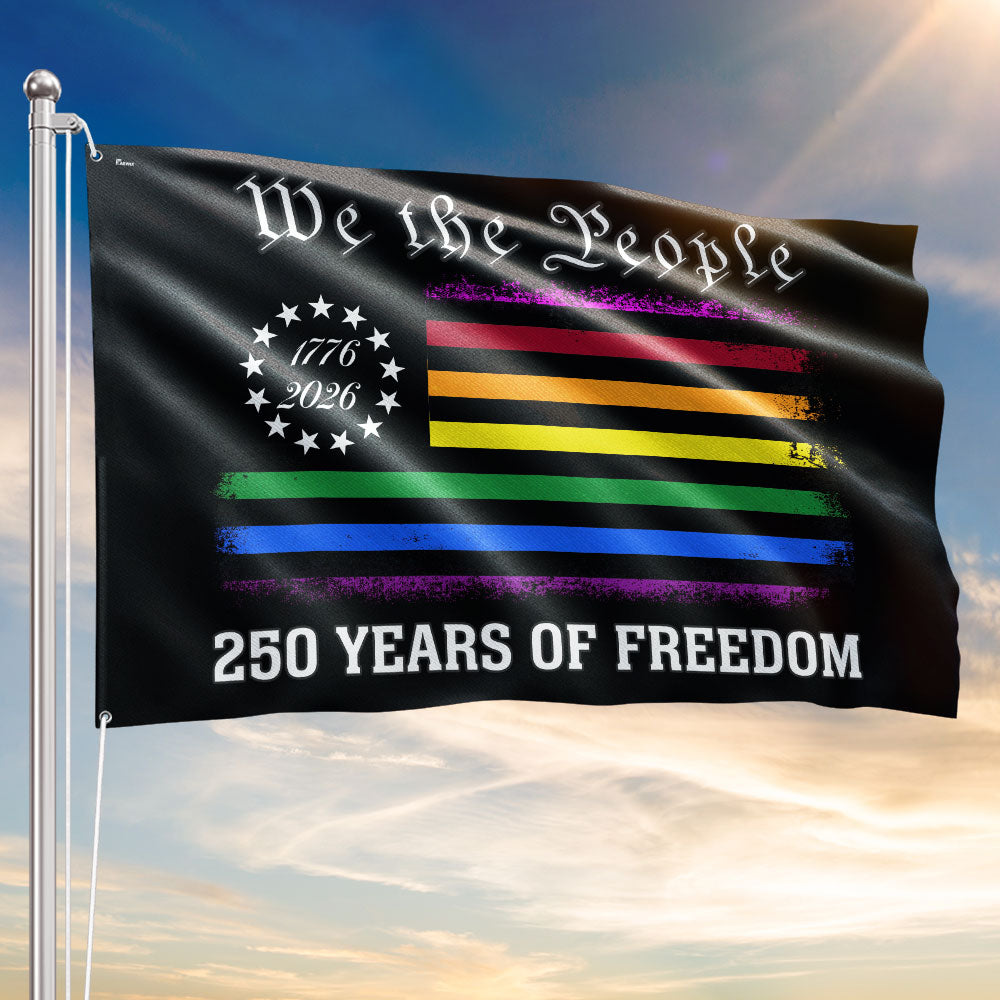
250 Years — We The People Means Everyone
A meaningful crossover honoring both America's 250th anniversary (1776–2026) and LGBTQ+ pride — rainbow colors meet the Constitution's founding promise. Heavy-duty grommet flag for outdoor display.
SHOP NOW →
We The People Means Everyone
A bold fusion of Pride and Constitution — rainbow stripes meet “We The People Means Everyone,” a patriotic reminder that founding ideals embrace all Americans.
SHOP NOW →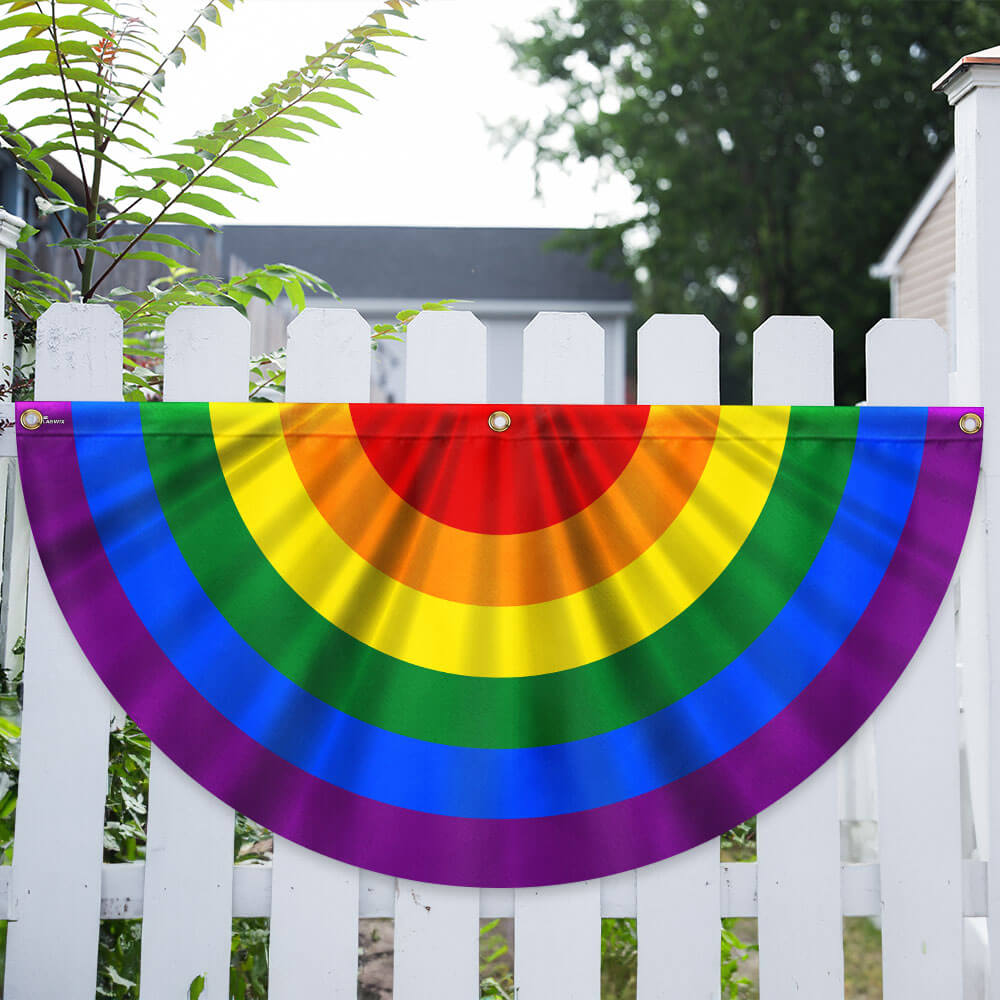
Rainbow Pride Fan Flag
A striking half-circle fan flag in classic rainbow Pride colors. Heat-transfer printing on durable canvas. Available in 1.5×3 ft and 3×6 ft — perfect for porches and parades.
SHOP NOW →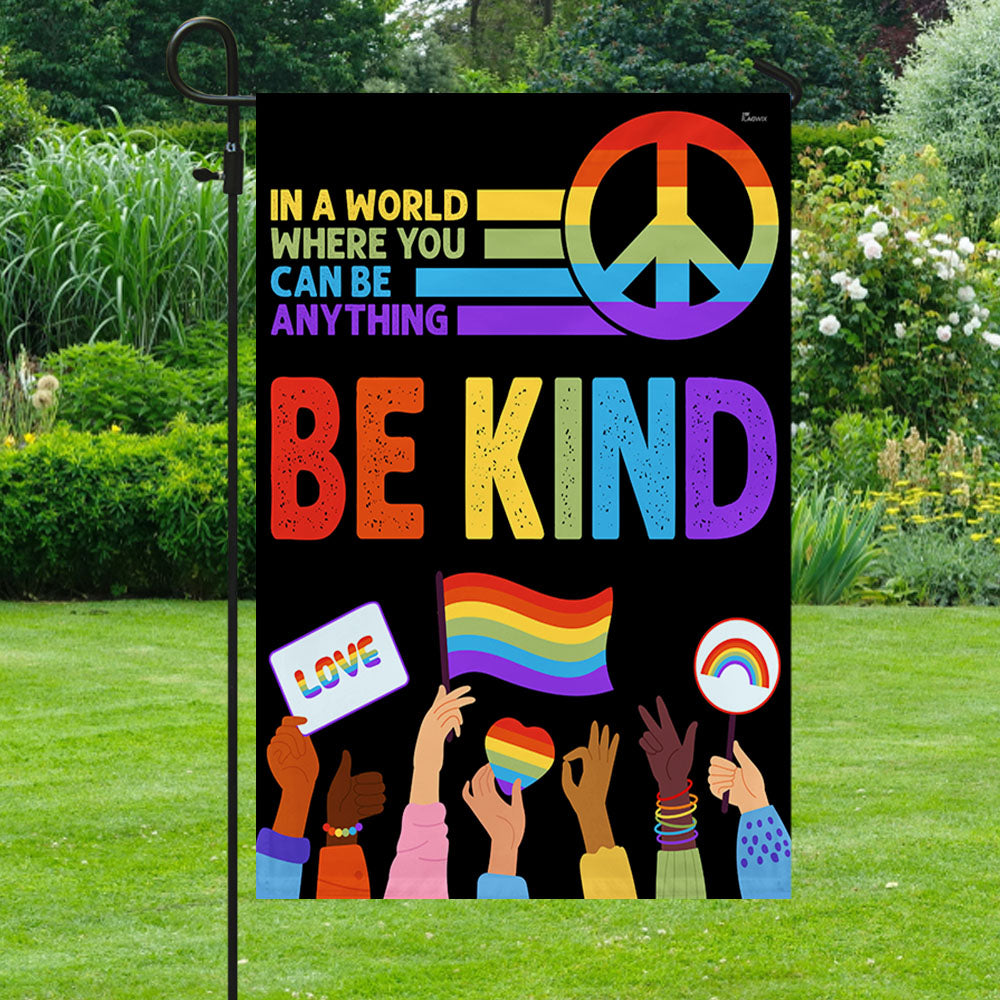
Be Kind Peace Sign Flag
A vibrant peace sign at center, framed by the timeless message “In A World Where You Can Be Anything, Be Kind.” Set against rainbow Pride colors — a gentle but powerful reminder.
SHOP NOW →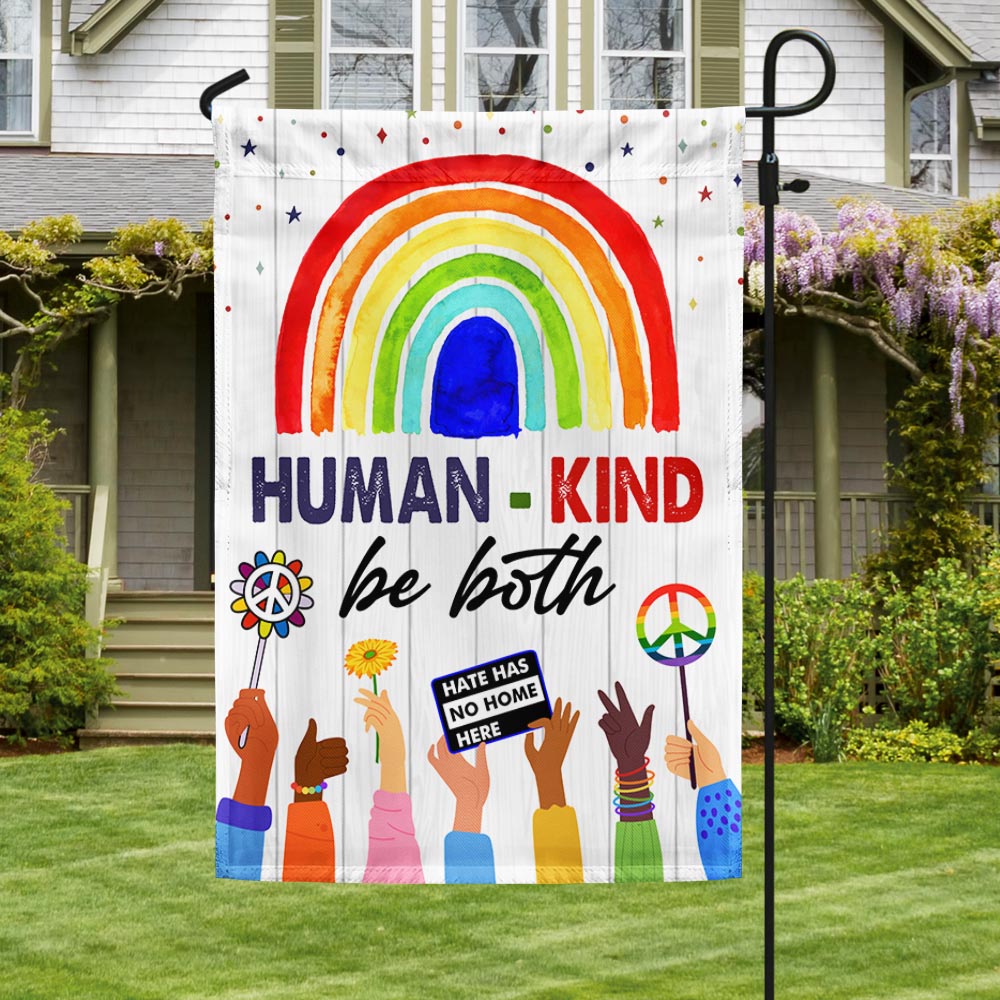
Human Kind, Be Both
A clever wordplay design — “Human Kind, Be Both” — on a vibrant rainbow backdrop symbolizing LGBT diversity. Two ideas in one inspiring message: humanity and kindness.
SHOP NOW →
Equality Sunflower Flag
A radiant sunflower at center, surrounded by 7 core values — Kindness, Peace, Equality, Love, Inclusion, Hope, and Diversity. Available in 3 sizes for indoor and outdoor display.
SHOP NOW →


Frequently Asked Questions
What are the 4 colors of the asexual flag and what do they mean?
The asexual flag has four horizontal stripes from top to bottom: black represents asexuality itself, gray represents gray-asexuality and demisexuality, white represents allies and non-asexual partners, and purple represents the asexual community as a whole — chosen because the AVEN (Asexual Visibility and Education Network) website featured a purple color scheme.
When was the asexual flag created?
The asexual pride flag was formalized in 2010 after an online vote by members of the AVEN (Asexual Visibility and Education Network) forum. A user known by the alias "standup" submitted the winning design. As of 2026, the flag has been a symbol of the ace community for 16 years.
How is the asexual flag different from the aromantic flag?
The asexual flag (black, gray, white, purple) represents lack of sexual attraction, while the aromantic flag (green, light green, white, gray, black) represents lack of romantic attraction. The two identities can overlap or exist independently — some people identify as both aromantic and asexual (aro-ace), while others identify as only one.
How do you display an asexual pride flag at home?
You can display an asexual pride flag on a flagpole, hang it as a house or garden flag, or use it as wall decor. Many people fly Pride flags during June (Pride Month) and Asexual Awareness Week (late October), but the flag is welcome year-round as a symbol of visibility and identity.
What percentage of people identify as asexual?
Research estimates vary, but a widely cited study suggests approximately 1% of the population identifies as asexual. Within this group, an estimated 25% also identify as aromantic. Asexuality is recognized as a sexual orientation, not a choice or disorder.


