Asexual Flag: Meaning, Colors & History of the Ace Pride Flag | Flagwix

asexual flag

It has been 16 years since the asexual pride flag was adopted in 2010 to represent people identifying as asexual. Though asexuality has grown more visible in mainstream conversation over the past decade, there is still a lack of widely understood knowledge about the flag's history and meaning.

Stick with us in this post to find out where the asexual pride flag came from and how it was chosen as the ace community's symbol.

What Does it Mean To Be Asexual

Everyone expressed their sexual orientation differently. Some may find sexual attraction toward men or women. Some find a sexual attraction to both. And some might feel that way toward all genders. 

Likewise, there are people who find no sexual attraction to any gender at all. They are called asexuals. 

Yes – it is possible for someone to have such sexual orientation if you might ever wonder. If over ten years ago, these people hid under their self-made cover, they are recognizable in today’s society. 

They have been confronted with many misconceptions and bad treats for their “lack of sexual feelings for others”. That is said to go against “standards by society”, which are obviously man-made. Meanwhile, asexuality is 100% normal according to scientists.

Asexual

And while asexual people are not sexually attracted to others, it does not mean they cannot have intimate relationships. Additionally, the fact that many often integrate sexual feelings into romantic feelings causes a misunderstanding about asexuality.

That is also why people in the community needed to have a flag that raises awareness. Having a flag for asexual, besides, they can become more recognizable and understood in society. That would make their lives easier.

*Watch this short video to learn more about the main types of asexuality:

Origin of the Asexual Flag

Asexual Flag

The asexual pride flag (or ace flag) was chosen by AVEN (the Asexual Visibility & Education Network) to represent those identifying as asexual. 

You May Also Like: Everything to know about the Pansexual Flag

AVEN is an online-based community that aims to raise awareness about asexuality. They are open for conversations, discussions, and activities about asexuality. 

In 2010, AVEN held an online contest to create a pride flag that represents those in the asexual community. There are many submissions and designs, but the winning one was a design with four horizontal stripes. It features pride flag colors that are similar to those on the AVEN’s logo, making it a bonus reason to win.

Although it was chosen by AVEN, the flag did receive lots of head nods from people within the community for its meanings. 

Show Your Pride at Home

While our collection doesn't yet include a flag dedicated solely to asexuality, our broader LGBTQ+ Pride flags celebrate the inclusivity that the ace community is part of. Here are some favorites to fly with quiet pride this Pride Month and beyond:
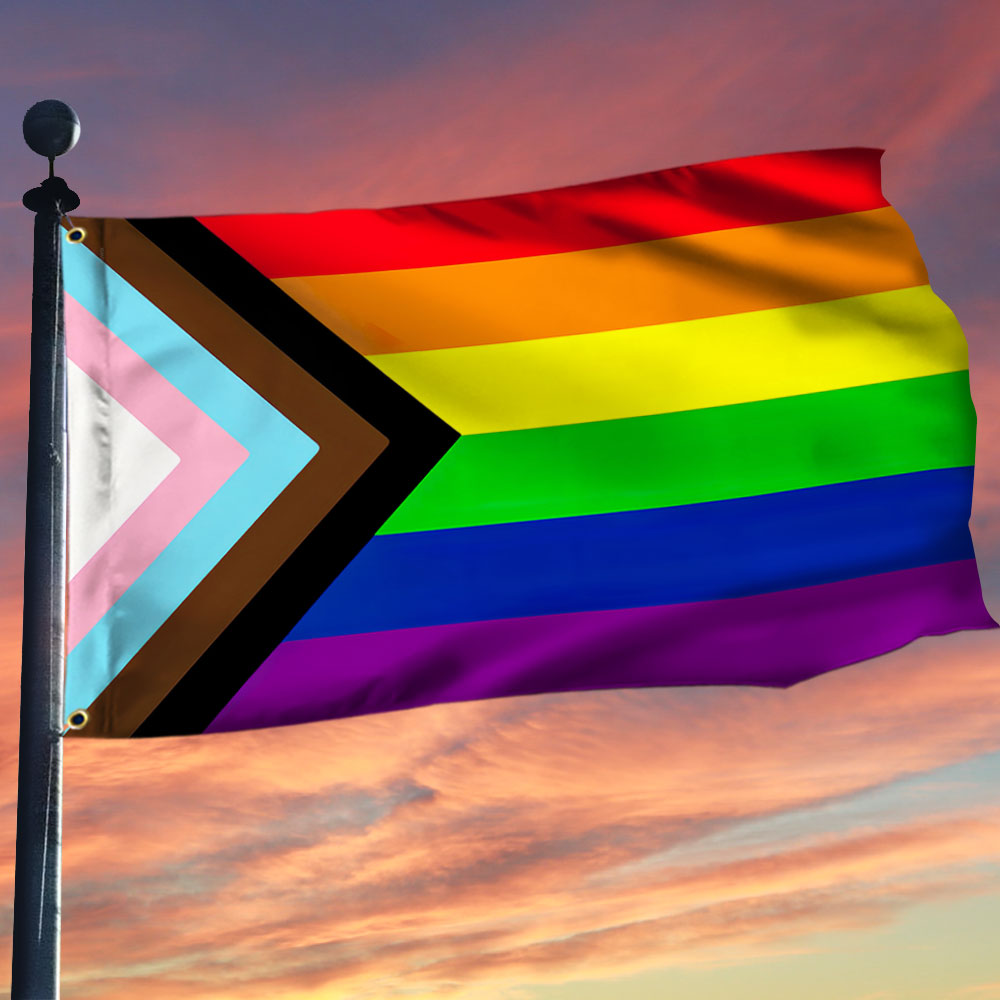
Pride Progress LGBT Grommet Flag

Pride Progress Grommet Flag

The classic rainbow paired with a chevron honoring trans, BIPOC, and HIV/AIDS communities. Heavy-duty grommets, made for outdoor flagpole display.

SHOP NOW →
Pride Progress LGBT House and Garden Flag

Pride Progress House & Garden Flag

Same inclusive Progress Pride design in a versatile garden & house flag format. Three sizes for porches, gardens, and front-yard display.

SHOP NOW →
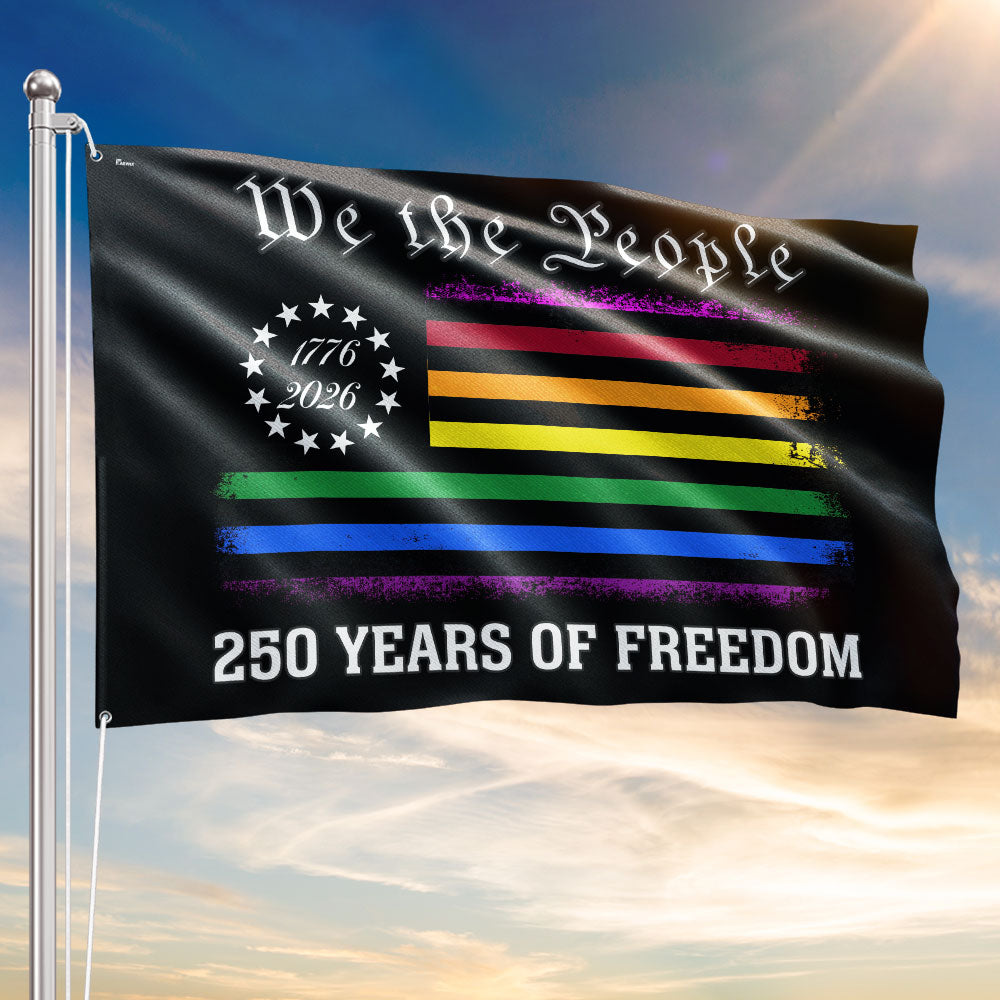
250 Years of Freedom LGBT Pride We The People Means Everyone Grommet Flag

250 Years — We The People Means Everyone

A meaningful crossover honoring both America's 250th anniversary (1776–2026) and LGBTQ+ pride — rainbow colors meet the Constitution's founding promise. Heavy-duty grommet flag for outdoor display.

SHOP NOW →
LGBT Pride Grommet Flag We The People Means Everyone

We The People Means Everyone

A bold fusion of Pride and Constitution — rainbow stripes meet “We The People Means Everyone,” a patriotic reminder that founding ideals embrace all Americans.

SHOP NOW →
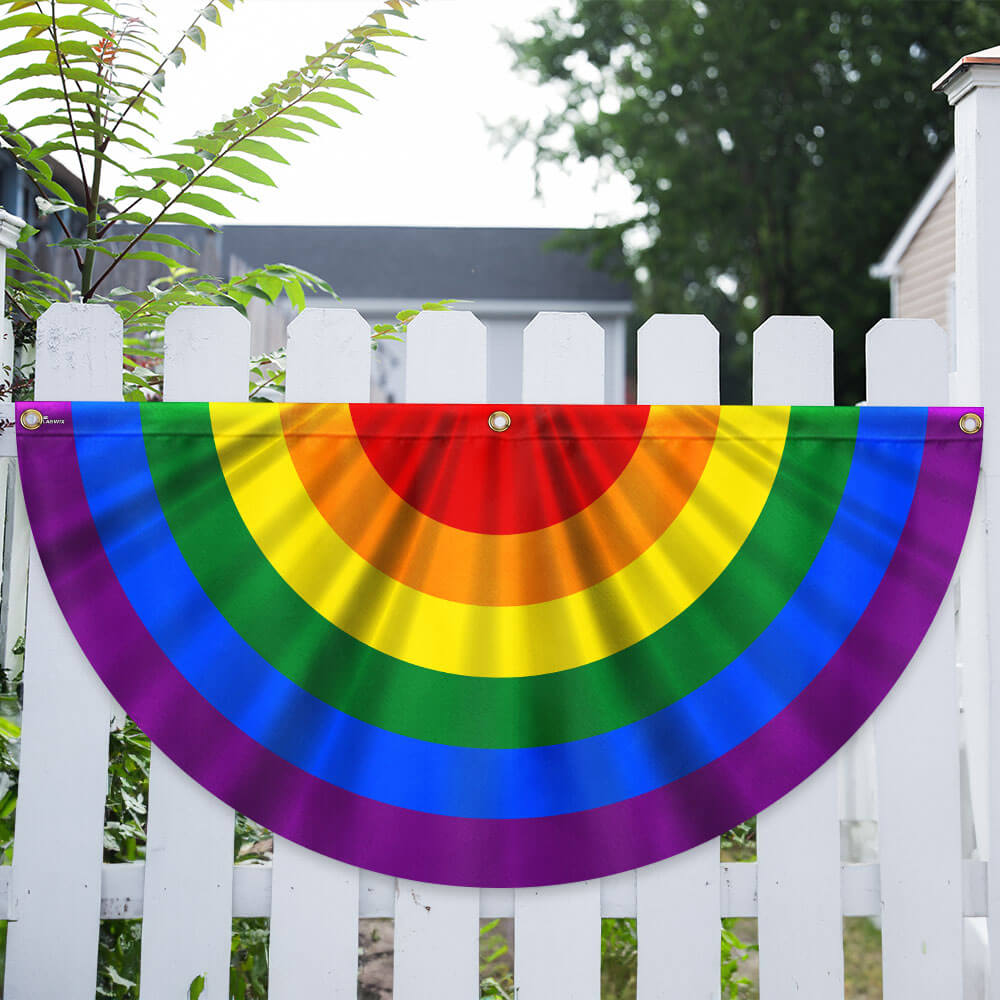
Rainbow LGBT Pride Non-Pleated Fan Flag

Rainbow Pride Fan Flag

A striking half-circle fan flag in classic rainbow Pride colors. Heat-transfer printing on durable canvas. Available in 1.5×3 ft and 3×6 ft — perfect for porches and parades.

SHOP NOW →
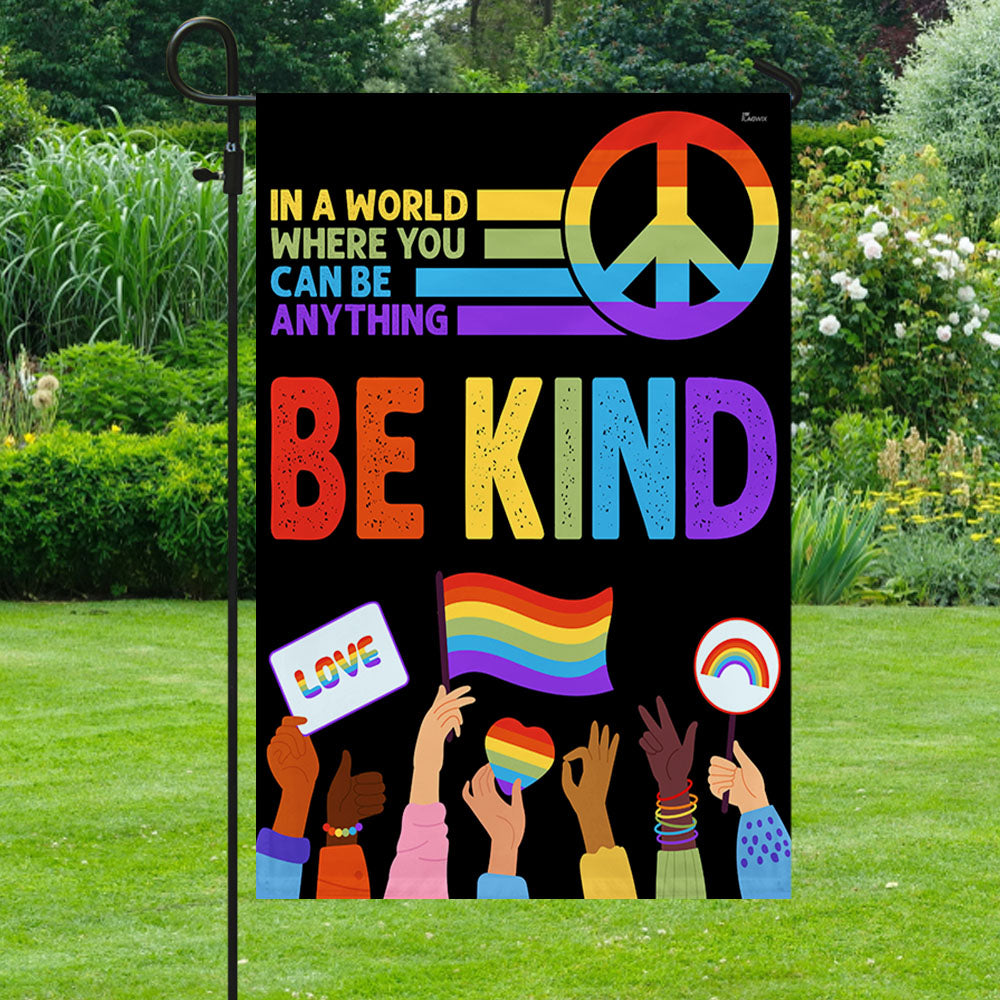
Be Kind LGBT Pride Peace Sign Flag

Be Kind Peace Sign Flag

A vibrant peace sign at center, framed by the timeless message “In A World Where You Can Be Anything, Be Kind.” Set against rainbow Pride colors — a gentle but powerful reminder.

SHOP NOW →
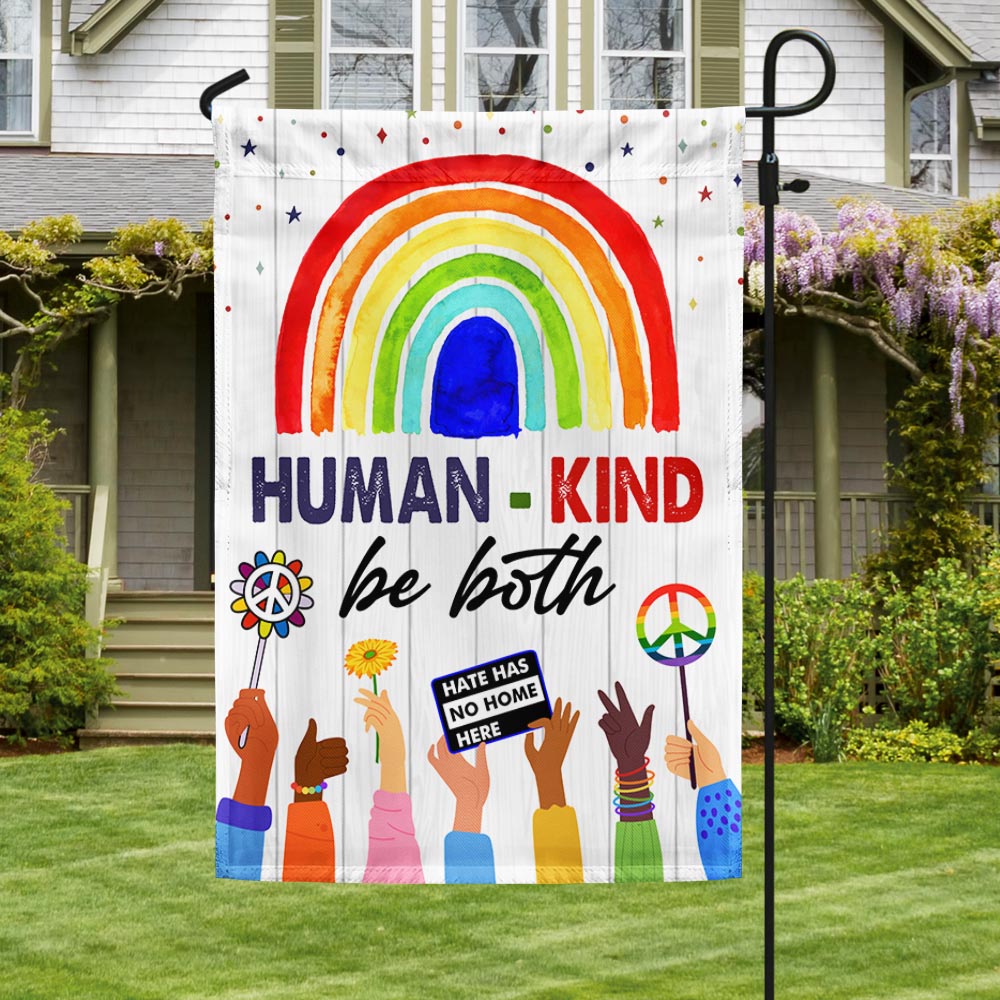
Human Kind Be Both Rainbow Hippie LGBT Flag

Human Kind, Be Both

A clever wordplay design — “Human Kind, Be Both” — on a vibrant rainbow backdrop symbolizing LGBT diversity. Two ideas in one inspiring message: humanity and kindness.

SHOP NOW →
Equality Sunflower Peace Love Diversity Flag

Equality Sunflower Flag

A radiant sunflower at center, surrounded by 7 core values — Kindness, Peace, Equality, Love, Inclusion, Hope, and Diversity. Available in 3 sizes for indoor and outdoor display.

SHOP NOW →

Asexual Flag Meaning

Asexual Flag

What does the ace flag look like? Like other LGBT pride flags, the flag conveys the meaning through its colors. However, asexuality is not represented by the combination of all single hues on the flag. Only one color — black — says about the main sexual orientation here. Additionally, that is a unique point about it, which is unlikely to happen on the pansexual flag, bisexual flag, or omni flag, etc.

There are FOUR ace flag colors as horizontal bars from top to bottom:

  • Black stripe represents asexuality
  • Grey represents grey-asexuality (as those identifying an unknown part out of the main asexual types*) and demi-sexuality (as those feeling sexually attracted only to the person they love or have a romantic bond with)
  • White stripe represents allies and non-asexual partners who give support to the community
  • Purple represents the asexual community as a whole

Myths About Variations of the Asexual Pride Flag

Variations of the Asexual Pride Flag
Biromantic asexual flag
Biromantic Asexual Flag

There have been a lot of online searches about some variations of the aromantic asexual flag every month. 

“Biromantic asexual flag”, “panromantic asexual flag”, “aromantic asexual flag”, “lesbian asexual flag”, “non-binary asexual flag”, etc. — those are terms people have been trying to seek for information about.

Explore More: Aromantic Flag Meaning Explained by its Colors

Explore More: The Polyamorous Flag Meaning and Reasons It Was Created

It is not surprised to know that, since no flag can tell precisely about every single individual in a community. People would simply try to find other flags that sit more for them.

Despite that fact, there are no official recognition of those mentioned flags above. Some people might be willing to be represented by them — and it’s fine. But they are just not the chosen designs to represent the whole asexual community. Let’s be clear from there!


Pride Month 2026

June 2026 marks another Pride Month — an opportunity for the asexual community to be seen alongside the broader LGBTQ+ family. While the rainbow flag often takes center stage at parades and storefronts, the black-gray-white-purple ace flag has become a beloved symbol of quiet pride in its own right. If you identify as ace, fly your colors confidently this year — visibility matters every June, and every day after.


More About Asexual

Who Are Asexual People?

Asexual individuals are a less recognized group within the LGBT community, distinct from more widely known orientations like gay or lesbian. Asexuality involves experiencing little to no sexual attraction, which is often misunderstood as being “frigid” or “impotent.” 

However, asexuality is a genuine orientation, differing from a lack of interest due to fear, medical issues, or hormonal imbalances, and is more psychological in nature. Asexual individuals can still marry and have children, but they typically have low or nonexistent sexual desires.

Asexuality crosses all genders, regions, and religions, with experts estimating that about 1% of the global population is asexual. Many people are unaware of this orientation, but understanding it can help asexual individuals live more authentically without conforming to societal pressures.

Signs of Asexuality

The primary sign of asexuality is an absence or minimal level of sexual attraction, even when exposed to sexual content. Asexual people might marry, date, or have sex due to societal pressures rather than personal desire. 

These signs, however, do not definitively diagnose asexuality, as a lack of sexual feeling can be temporary or caused by other factors. Ultimately, only the individuals themselves can determine their orientation since it is unrelated to lifestyle, gender, religion, or age.

The Sexual and Emotional Lives of Asexual People

Asexuality is a distinct sexual orientation, separate from emotional affection. Asexual individuals can still form emotional connections and experience love similarly to others, despite their lack of sexual attraction. Some may engage in sexual activities out of curiosity, a desire to conform, or to satisfy a partner, and can achieve orgasm. However, asexuality is innate and cannot be altered through treatment, unlike sexual dysfunction or depressive conditions.

Misconceptions about asexuality, such as viewing asexual men as effeminate or weak and asexual women as frigid, are harmful and incorrect. These stereotypes force asexual people into conforming to other orientations, which should be avoided. It is crucial to distinguish between asexuality and temporary loss of interest or sexual health problems, which are treatable. Asexuality remains consistent over time, forming an essential part of the LGBT community.

The Bottom Line

The asexual flag or ace flag has stood there side by side with the asexual community over a decade. It helps to raise awareness, and most importantly, acceptance toward asexuality.

It gets us feeling more needed to praise the flag because asexuality are usually mistaken as a pathology, which causes denial and stigma toward asexual people. 

If you have an asexual partner or simply support the community, raise the flag in the upcoming Pride Month!

If you love this post from Flagwix, share it with your friends and family! 


Frequently Asked Questions

What are the 4 colors of the asexual flag and what do they mean?

The asexual flag has four horizontal stripes from top to bottom: black represents asexuality itself, gray represents gray-asexuality and demisexuality, white represents allies and non-asexual partners, and purple represents the asexual community as a whole — chosen because the AVEN (Asexual Visibility and Education Network) website featured a purple color scheme.

When was the asexual flag created?

The asexual pride flag was formalized in 2010 after an online vote by members of the AVEN (Asexual Visibility and Education Network) forum. A user known by the alias "standup" submitted the winning design. As of 2026, the flag has been a symbol of the ace community for 16 years.

How is the asexual flag different from the aromantic flag?

The asexual flag (black, gray, white, purple) represents lack of sexual attraction, while the aromantic flag (green, light green, white, gray, black) represents lack of romantic attraction. The two identities can overlap or exist independently — some people identify as both aromantic and asexual (aro-ace), while others identify as only one.

How do you display an asexual pride flag at home?

You can display an asexual pride flag on a flagpole, hang it as a house or garden flag, or use it as wall decor. Many people fly Pride flags during June (Pride Month) and Asexual Awareness Week (late October), but the flag is welcome year-round as a symbol of visibility and identity.

What percentage of people identify as asexual?

Research estimates vary, but a widely cited study suggests approximately 1% of the population identifies as asexual. Within this group, an estimated 25% also identify as aromantic. Asexuality is recognized as a sexual orientation, not a choice or disorder.


RELATED ARTICLES